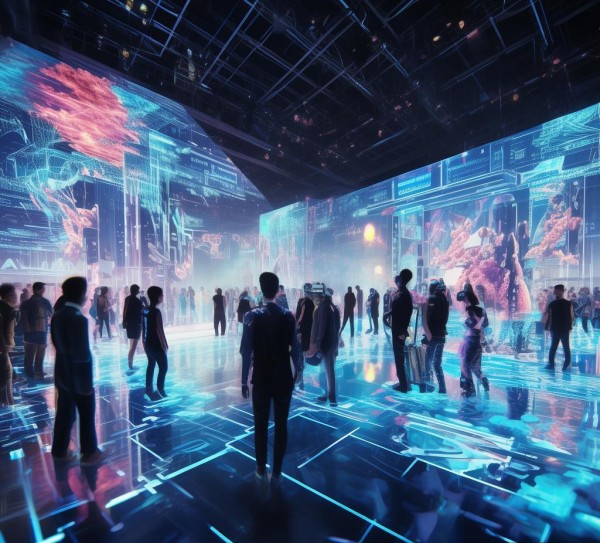
数字园区作为未来城市的重要组成部分,将通过智能设备、物联网、5G网络、云计算和大数据分析等先进技术,推动城市从传统模式向智能化、数字化转型,数字园区将打造一个集科技、智慧、生态于一体的未来世界,通过智能化管理、绿色能源和数字治理,促进社会和社区的可持续发展,为未来城市的高质量发展注入强劲动力。

In the dynamic era of urban planning and management, the rapid advancement of digital technologies has opened new possibilities for urban development. Digital Parks, a concept that emerged in the 21st century, emerged as a tool that bridges the gap between traditional planning and the future of urban development, offering a more integrated approach to urban design and services. It is not merely a planning tool but a bridge that connects the future with the present, driving the evolution of urban services and services, thereby enhancing the quality of life for residents and contributing to the sustainable development of cities.
Digital Parks originated from the 21st-century revolution, breaking down the limitations of traditional parks by leveraging digital technologies. These parks are equipped with advanced systems that enable precise and real-time planning, making them indispensable tools for city development. The integration of digital technologies allows Digital Parks to offer a comprehensive service offerings, including real-time monitoring of traffic and facility management. Additionally, they provide advanced information systems that enable residents to receive personalized service, such as emergency response and event coordination, tailored to their needs and circumstances.
One of the most significant contributions of Digital Parks is their ability to enhance the efficiency and sustainability of urban services. By leveraging advanced technologies, these parks can optimize resource utilization, reducing waste and improving the overall quality of life for city residents. Furthermore, their integration with art cities has enabled them to serve as a dynamic platform for managing public spaces, infrastructure, and services, ensuring the seamless integration of technology with urban planning and management.
As urban transformation continues to accelerate, the role of Digital Parks in driving innovation and efficiency becomes more critical. Digital Parks are not merely tools but catalysts for change, enabling cities to adapt to the digital revolution and embrace new ways of living. Their widespread adoption reflects the growing importance of digital transformation in urban planning, where the integration of technology with traditional services and services is essential for achieving sustainable growth and improved quality of life.
One of the key aspects of Digital Parks is their ability to transform the way urban services are delivered. By implementing advanced technologies, Digital Parks can provide residents with unprecedented levels of convenience, from real-time information and emergency response to advanced facility management and event coordination. This transformation not only enhances the quality of life for residents but also creates new opportunities for businesses, fostering economic growth and innovation. Additionally, Digital Parks are paving the way for a new era of art cities, where technology and services are seamlessly integrated to create a unified and efficient urban landscape.
Digital Parks represent a significant leap forward in the integration of technology with urban planning and services. Their emergence marks a pivotal moment in the evolution of urban development, where the future of cities is increasingly defined by the seamless integration of technology, services, and services.
In the context of digital transformation, Digital Parks are not just a tool but a platform that connects the future of urban planning with the real world. They provide a bridge between the future and the present, enabling cities to adapt to the digital revolution and achieve sustainable growth. As the world continues to embrace digital development, Digital Parks are poised to become a cornerstone of modern urban planning, transforming the way we live, work, and interact with one another.
Moreover, Digital Parks are driving innovation and creativity in urban design and services, offering residents new possibilities for service delivery and community engagement. By embracing digital technologies, cities are becoming more responsive to the demands of the modern world, where the blending of technology and services is essential for achieving a sustainable and inclusive future.
As we look toward the future, Digital Parks are not just a historical milestone but a forward-looking vision that reflects the power of technology in shaping the future of urban development. They are a testament to the potential of digital transformation to redefine the way we live, work, and live together, paving the way for a more connected, efficient, and sustainable city.